

THE GREY WOLF’S SCIENTIFIC NAME IS CANIS LUPUS, AND IT BELONGS TO THE CANIDAE FAMILY ALONGSIDE DOMESTIC DOGS, FOXES AND OTHER
CANIDS
The Grey Wolf is the largest living member of the canine family, although its size varies considerably between populations.
GREY WOLVES HISTORICALLY OCCUPIED ONE OF THE LARGEST NATURAL RANGES OF ANY TERRESTRIAL MAMMAL, SPANING HUGE AREAS OF EUROPE, ASIA AND NORTH AMERICA
Grey Wolves are remarkably adaptable and have lived in habitats ranging from Arctic tundra and forests to mountains and grasslands
Despite being called Grey Wolves, their coats can range from white and cream to brown, reddish, grey and almost
completely black.
UNLIKE DOMESTIC DOGS, GREY WOLVES AREN’T DIVIDED INTO HUMAN-CREATED BREEDS, BUT CANIS LUPUS INCLUDES GEOGRAPHICALLY DISTINCT
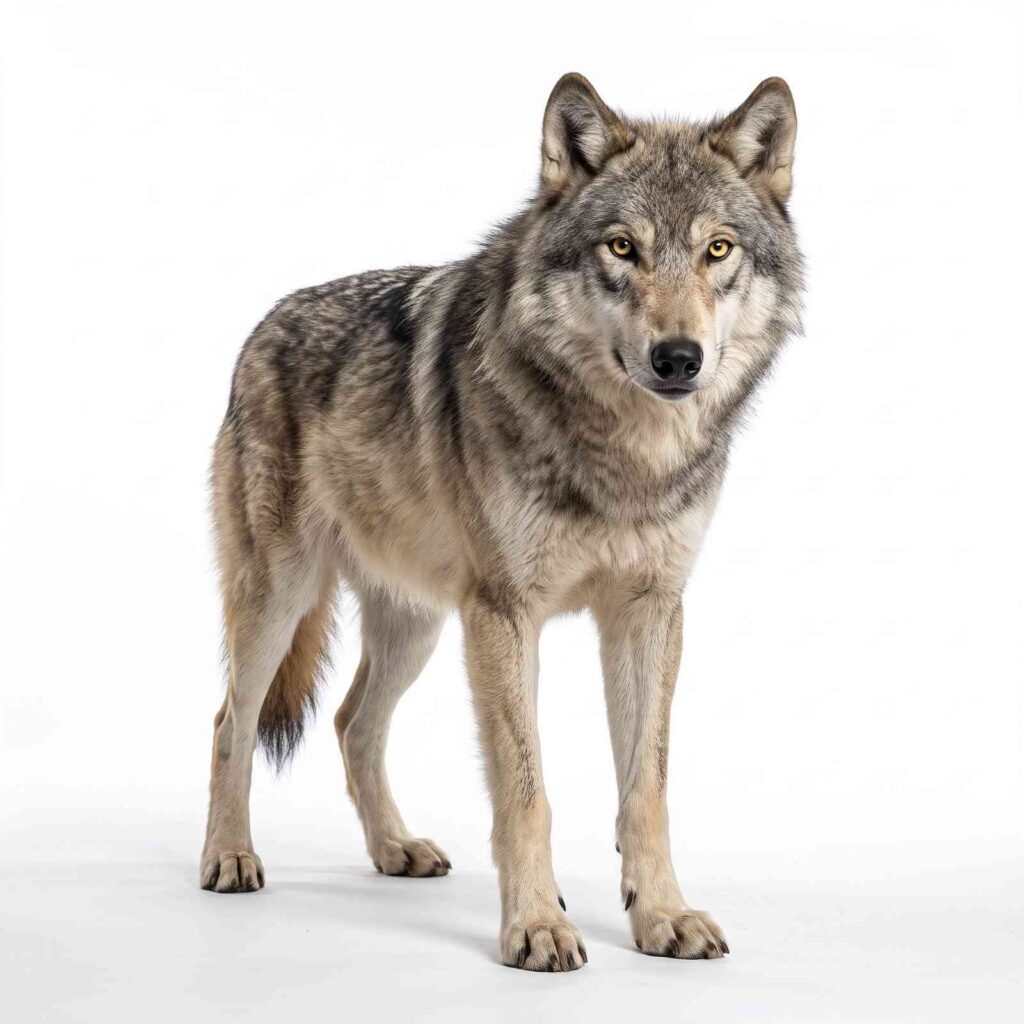
A WOLF PACK IS USUALLY A FAMILY GROUP MADE UP PRIMARILY OF BREEDING ADULTS AND THEIR OFFSPRING RATHER THAN A RANDOM COLLECTION OF UNRELATED WOLVES.
Wolf pack size can vary dramatically, with Yellowstone packs averaging around 10 wolves while exceptionally
large packs have contained more than 30.
POPULATIONS AND HAS HISTORICALLY BEEN DIVIDED INTO NUMEROUS SUBSPECIES
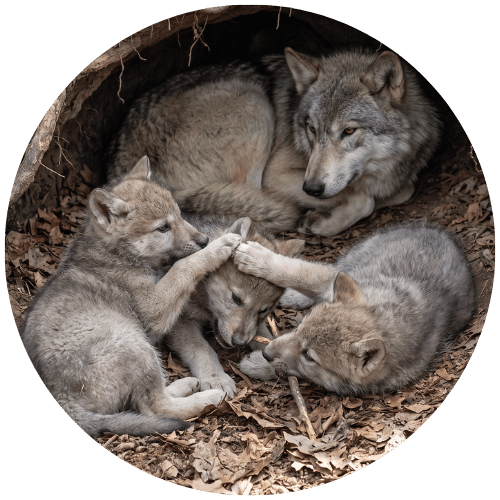
MALE GREY WOLVES ARE GENERALLY LARGER THAN FEMALES, WITH MALES WEIGHING ROUGHLY 30 – 80 KG AND FEMALES ROUGHLY 23 – 55 KG
A GREY WOLF CAN REACH ROUGHLY 56 KM/H IN A SHORT BURST, BUT ITS REAL ADVANTAGE IS ITS ABILITY TO TRAVEL EFFICIENTLY ACROSS LARGE AREAS.
A wolf’s home range can cover hundreds of square kilometres, although its size varies greatly according to habitat, prey availability and location.
GREY WOLVES DON’T HIBERNATE AND REMAIN ACTIVE THROUGHOUT WINTER, EVEN IN EXTREMELY COLD ENVIRONMENTS. A GREY WOLF’S THICK COAT PROVIDES INSULATION THAT HELPS IT REMAIN ACTIVE IN COLD ENVIRONMENTS.
Grey Wolves have 42 permanent teeth, including large canine teeth used for gripping and tearing prey.
WOLF PUPS ARE BORN WITH BLUE EYES THAT USUALLY CHANGE TO SHADES OF YELLOW, GOLD OR BROWN AS THEY MATURE.
A newborn Grey Wolf weighs only around 450 grams, making it tiny compared with its eventual adult size. Wolf pups are born blind and deaf, with their eyes generally opening after about 11-15 days.
SOME GREY WOLVES HAVE COMPLETELY BLACK COATS BECAUSE OF A GENETIC VARIANT ASSOCIATED WITH THE K-LOCUS. THE GENETIC VARIANT RESPONSIBLE FOR BLACK COATS APPEARS TO HAVE ENTERED SOME NORTH AMERICAN WOLF POPULATIONS THROUGH ANCIENT
WOLF-DOG HYBRIDISATION
This means that a black wolf’s coat can carry a fascinating genetic link to the ancient history of domestic dogs.
Research has found that canine distemper outbreaks can influence the frequency of the black-coat gene in wolf populations and can even affect patterns of mate choice.
Grey Wolves communicate using a combination of vocalisations, scent and body language rather than relying on a single form of communication.
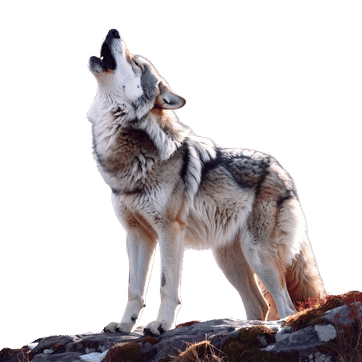
A WOLF’S HOWL CAN HELP PACK MEMBERS LOCATE ONE ANOTHER, COORDINATE SOCIAL ACTIVITY AND COMMUNICATE INFORMATION ABOUT TERRITORY.
Wolves don’t howl at the Moon, because their howling is used for communication rather than because of the Moon’s phase.
Wolves use scent marking to leave information for other wolves and help advertise the boundaries of their territory.
GREY WOLVES AREN’T STRICTLY NOCTURNAL AND CAN BE ACTIVE AT DIFFERENT TIMES OF DAY, ALTHOUGH THEIR ACTIVITY PATTERNS OFTEN INCREASE AROUND DAWN AND DUSK.
Older wolf offspring can remain with their parents and help care for younger pups.
Wolf packs cooperate to raise young, defend their territory and obtain food.
THE POPULAR IMAGE OF AN ‘ALPHA WOLF’ CONSTANTLY FIGHTING TO DOMINATE THE PACK IS MISLEADING WHEN APPLIED TO MOST WILD WOLF FAMILIES.
The original ‘alpha wolf’ idea was heavily influenced by studies of unrelated captive wolves living together under artificial conditions rather than normal wild family packs.
WOLF PUPS CAN EMERGE FROM THEIR DEN AT ONLY ABOUT THREE WEEKS OLD.
Wolf dens may consist of burrows, rock crevices, hollow logs or other sheltered locations, and wolves can sometimes enlarge an existing animal burrow for
their own use.
A WOLF HUNT INVOLVES MUCH MORE THAN SIMPLY CHASING PREY, AS WOLVES MAY SEARCH, PURSUE AND WORK TOGETHER TO EXPLOIT OPPORTUNITIES.
Despite their reputation as unstoppable hunters, wolves do not succeed every time they attempt to bring down large prey.
WHEN YOUNG WOLVES DISPERSE AND ESTABLISH THEMSELVES IN NEW AREAS, THEY CAN CARRY GENES BETWEEN DISTANT POPULATIONS AND HELP MAINTAIN GENETIC CONNECTIVITY.
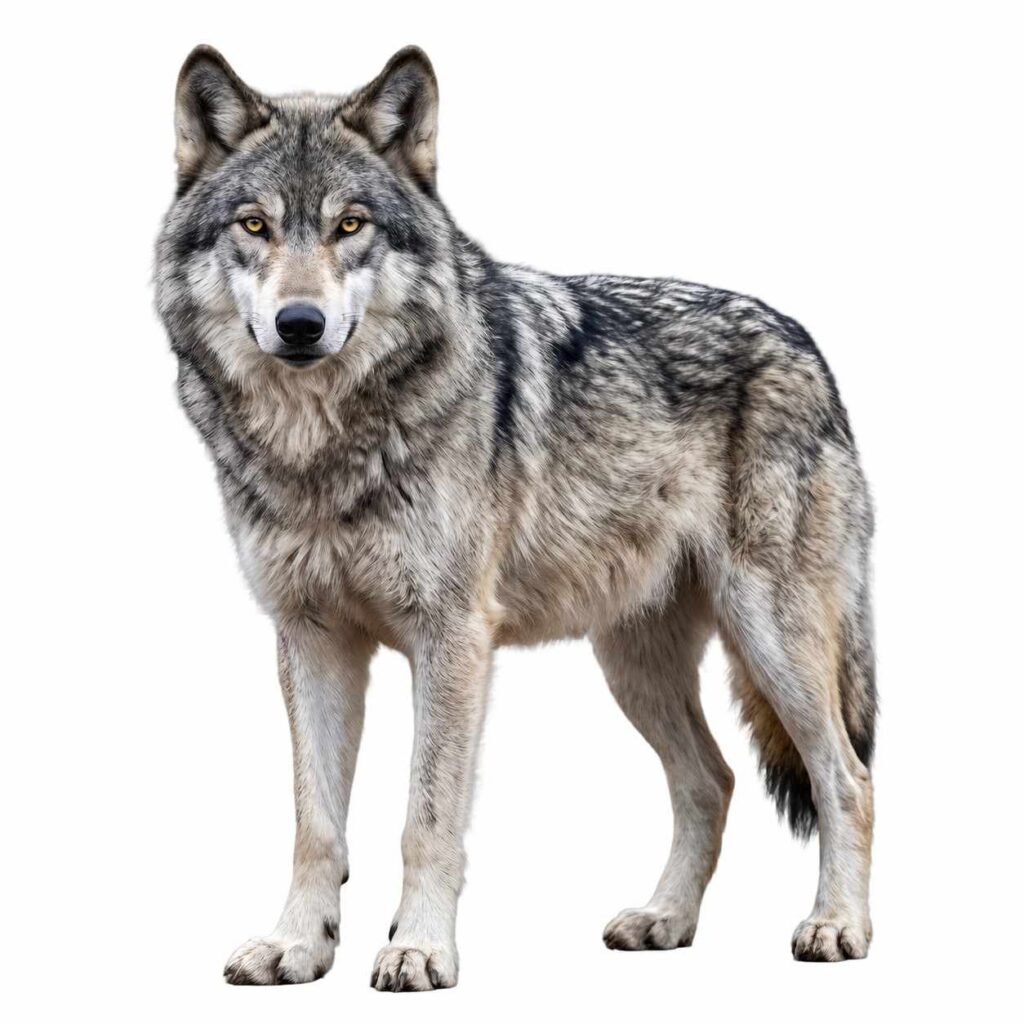
A wolf kill can provide food for ravens, magpies, coyotes, bears, eagles, insects and many other organisms. A single
carcass can therefore become a temporary feeding hub for an entire community of scavengers.
THE ENTIRE WOLF FAMILY CAN CONTRIBUTE TO RAISING PUPS, WITH ADULTS AND OLDER OFFSPRING HELPING
PROVIDE FOOD, PROTECTION AND CARE
Depending on where they live, Grey Wolves can hunt
prey ranging from rabbits and beavers to deer, elk, caribou, moose and bison.
Wolves can hunt animals much larger than themselves because several pack members can cooperate during a hunt.
Grey Wolves can also scavenge, taking advantage of food that they did not kill themselves.
A SUCCESSFUL WOLF KILL CAN PROVIDE A SUBSTANTIAL AMOUNT OF FOOD FOR AN ENTIRE PACK, WITH A WOLF CAPABLE OF EATING AS MUCH AS 15-20% OF ITS BODY WEIGHT IN ONE SITTING.
Wolf dispersal can therefore do more than find a young wolf a new home, it can help connect populations that may be hundreds of kilometres apart.
Young wolves may eventually leave their birth pack in a process called dispersal, searching for a mate and territory of their own.
A dispersing Grey Wolf can travel hundreds of kilometres before settling in a new area, helping wolves colonise new territories and connect distant populations.
Wild wolf packs still have social relationships and hierarchies, but the family relationship between breeding
adults and their offspring is far more important than the popular alpha-wolf story suggests.
GREY WOLVES GENERALLY BREED ONCE A YEAR, WITH PREGNANCY LASTING APPROXIMATELY 63 DAYS
A Grey Wolf litter typically contains around four to six pups, although litter sizes can vary between populations and circumstances.
Grey Wolf breeding pairs can form long-lasting bonds and are often monogamous, but saying that wolves always mate for life is too absolute
Wolves may take advantage of young, old, injured or otherwise vulnerable prey because these animals can
sometimes be easier to catch than healthy adults.
Grey Wolves are major predators whose presence can influence the behaviour and populations of other animals in their ecosystems.
Grey Wolves survive through an extraordinary combination of endurance, communication, cooperation, learning and physical adaptations that allow them to thrive across some of the planet’s most challenging environments.