BY TANRI DE LANGE – SAVC Registered Veterinary Physiotherapist
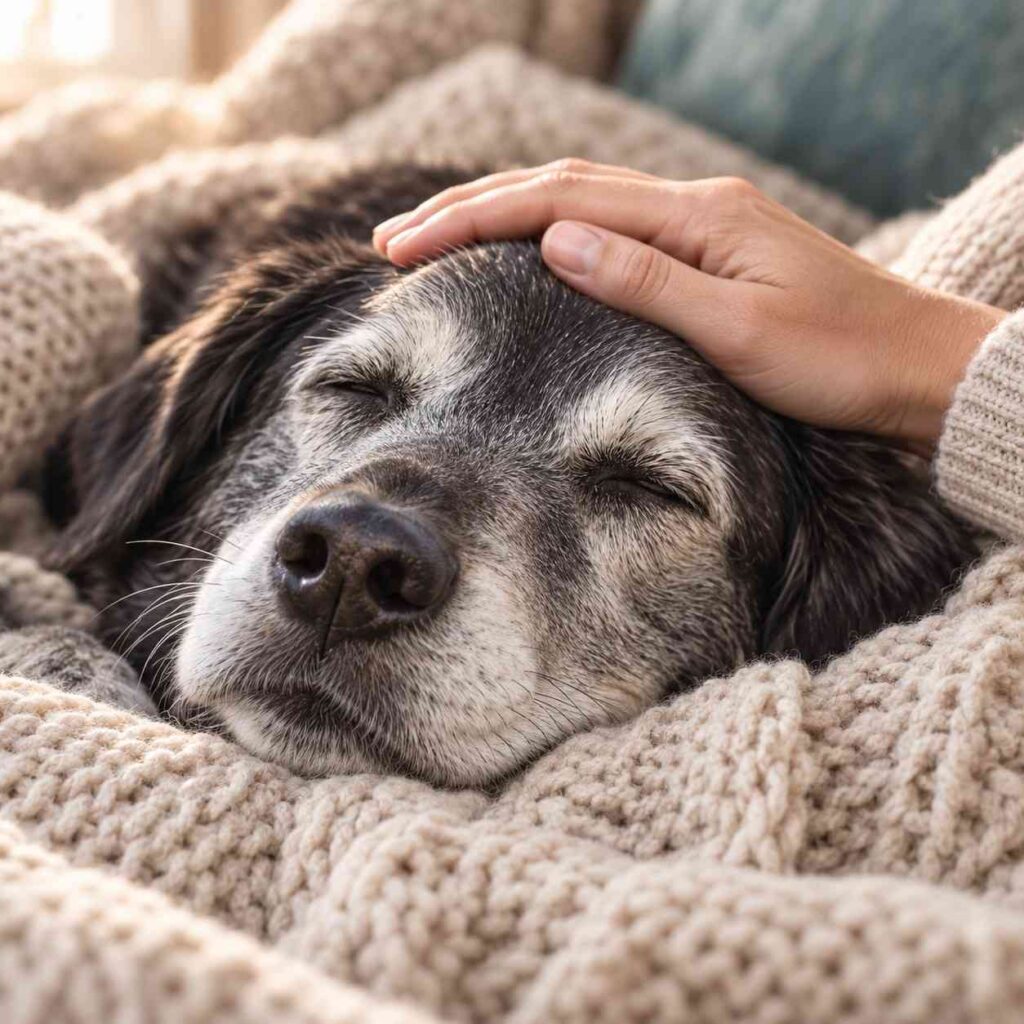
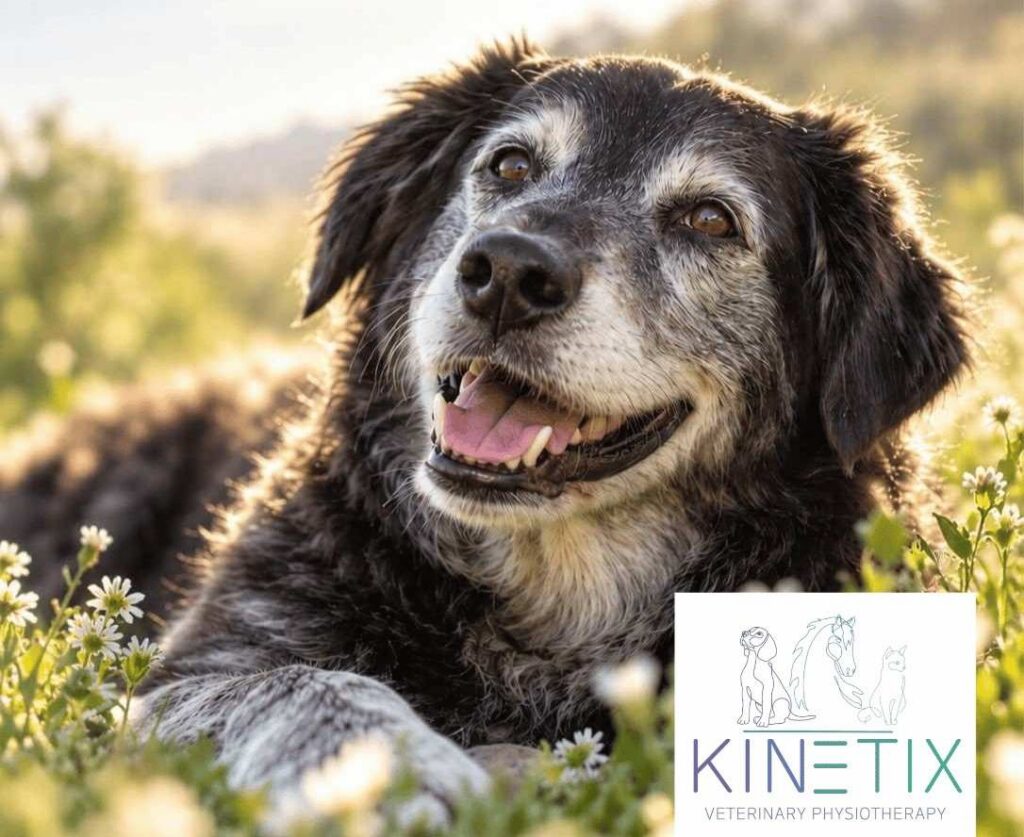
There is something incredibly special about growing old alongside our dogs. The grey hairs around their muzzle, familiar routines and quiet companionship are reminders of the years we have shared.
While we cannot stop our dogs from ageing, we can influence how they age. Supporting mobility, strength and comfort can help our older companions continue doing the things they love and enjoy a better quality of life for longer.
Ageing is not a diagnosis
It is normal for an older dog to slow down, but significant changes in mobility should not simply be dismissed as “old age”.
Difficulty getting up, reluctance to climb stairs, struggling to get into the car, tiring more quickly on walks or changes in gait can all indicate discomfort or a loss of physical function.
Recognising these changes early is important. The sooner a problem is identified, the more opportunities there are to support mobility and preserve function.
Keep them moving
Regular, appropriate movement is one of the most important ways we can support an ageing dog. Exercise helps maintain muscle strength, joint mobility, cardiovascular fitness and coordination.
However, exercise should be adapted to the individual. A senior Labrador with arthritis may have very different needs from a senior Border Collie who still wants to chase a ball.
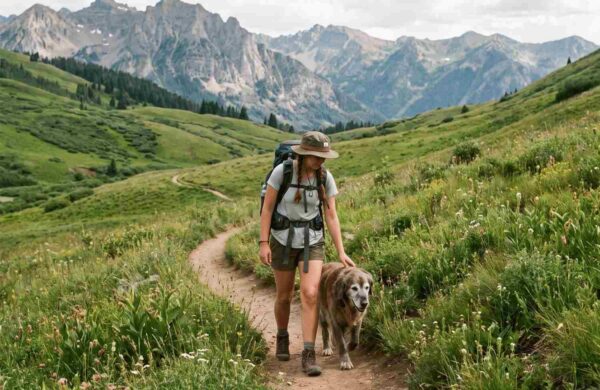
Shorter, more frequent walks may be better tolerated than one long outing, while gentle games, controlled strengthening and balance exercises can help maintain physical capacity without excessive strain. The goal isn’t to stop an older dog from being active, it is to help them remain active in a way their body can comfortably handle.
Small changes, big difference
Our homes can also be adapted to make everyday movement easier. Non-slip mats can improve traction on slippery floors, while ramps may help dogs get into the car or access favourite areas. Comfortable, supportive bedding can make resting easier too.
Maintaining a healthy body weight is equally important, as excess weight increases the physical demands placed on the musculoskeletal system.
Veterinary physiotherapy can form part of a multimodal approach to maintaining mobility, alongside veterinary care, appropriate nutrition and environmental adaptations. Treatment and exercise programmes can be tailored to each dog’s individual needs, lifestyle and goals.
More memories, together
Helping a dog age well isn’t about keeping them physically young forever. It is about preserving the things that make their life, their life.
For one dog, that might mean continuing to enjoy their daily walk. For another, it may mean getting up comfortably to greet their family, playing with a favourite toy or climbing into the car for another adventure.
Ageing is a privilege we are fortunate to share with our dogs. By recognising changes early, encouraging appropriate movement and maintaining strength, we can help our companions remain comfortable, active and engaged with life.
Because the legacy our dogs leave behind isn’t measured only in the years they were with us. It is measured in the memories we made together.
And sometimes, helping them move a little more comfortably today gives us the opportunity to make many more memories tomorrow.