
Ask The Vet – Dr. Travis Gray
- Categories - Articles
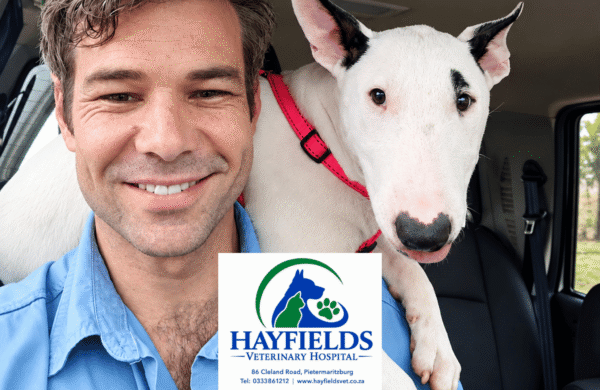
Hi, my name is Travis and I’m a vet at TAH Rosmead in Cape Town, dealing exclusively with dogs and cats. I’m a cat-lover, and proud cat-dad to two rescues named Natsu and Falcon. In a world filled with conflicting veterinary information, Pet Prints has given me a chance to try and make sense of some of the muddle. So, if you have anything you want to ask, send it through and I’ll do my best to help you out.
Q: Hey Dr Travis, our rescue Beagle, Penny, has a habit of licking her paws constantly, like to the point where the fur is starting to thin. We’ve tried changing her food and even switched laundry detergents, but nothing seems to help. What could be causing this and how do we stop it?
A: Whenever a dog is constantly licking their paws, an allergic cause is often to blame, but there can be a behavioural aspect to this as well. Sometimes, it can be a combination of allergic itching and habit, and it can be difficult to figure out which part of the licking complex to treat first. Inflammation of the ears, recurring anal gland issues and rashes over the abdomen would indicate more of an allergic cause. However, even if these clinical signs are present, it doesn’t entirely rule out a behavioural component that could confuse things further. I usually start by addressing the allergies first, as I find that the response to treatment is quicker and more predictable than behavioural therapy. Cortisone or other anti-allergy medications are used to provide immediate relief. A dietary trial is also a good place to start, but they can be tricky as they require strict feeding of a hypoallergenic diet for a minimum of eight weeks. Even when doing a diet trial, I normally start with some anti-allergy medication to keep the patient more comfortable during the period we’re waiting for the hypoallergenic diet to work. When a patient is constantly licking their paws, the constantly wet skin often gets overgrown with yeast. This gives the paws a brownish colour and causes further itching which can further complicate the clinical picture. Of course, there is the possibility that the constant licking is purely a compulsive habit. This can be a challenge to treat and requires both medication and behavioural therapy, sometimes with the help of a behaviourist. In summary; paw licking is a common problem in dogs, with many contributing factors and potential treatments. As with any skin disorder, my advice is to book a consultation with your local veterinarian so that you can work through the process of elimination together.
Q: Hi Dr Travis, I’ve got one indoor cat, and I work really long hours and I’m worried she’s lonely being home alone all that time. I do make sure she has food and water available to her at all times and I keep her toys out. But is it true that cats can get lonely? I’ve been thinking of adopting another, but I’m not sure if that would make things better or worse.
A: Cats are considered to be independent and self-sufficient animals, but they can experience loneliness if kept on their own for too long. Solitary cats tend to form strong bonds with the humans they live with, and can become unhappy if their human is missing for lengthy periods. In general, your cat should be fine on her own for the time of a regular work day, provided she’s given enough food and water, and a clean litter tray. Cats can usually be left alone for eight to ten hours without having to worry. However, when you get home, you will have to spend some quality time with her. You might want to keep an eye out for any signs that your cat is experiencing distress. These can be vague, but the most obvious signs would be clinginess when you get home, overgrooming and inappropriate urination. If your cat is urinating in your bed, bathtub or basin, then this is a clear sign that something is wrong. When we are away from home, we don’t want our feline friends to be bored, so be sure to rotate toys to keep her mentally stimulated. Cat trees, window perches, motion sensor toys and cat videos are all great options to keep your cat stimulated. Pheromone sprays or diffusers can also be useful if you’re seeing any behavioural abnormalities. If it’s in your budget, hiring a cat sitter can also help to keep your cat company. I’m not convinced that introducing another cat to the household is a guaranteed fix to your worries. Cats can become very comfortable and protective of their homes. If the introduction of another cat isn’t smooth and gradual, this could result in fighting, which will further stress your cat.
Q: We have a 9-month-old puppy who just cannot seem to slow down when it comes to mealtimes. The moment we put his bowl down, he practically inhales his food. Sometimes he gulps so fast that he ends up coughing, choking a little, or even throwing up afterward, which is honestly a bit worrying. Could eating this quickly cause health problems down the line, and is there anything else we can do to help him learn to pace himself?
A: Some dogs are just fast eaters, but eating food too quickly can lead to health and digestive issues. The most common issues that could affect a fast-eating, young puppy is vomiting or choking. A lot of gas tends to get gulped down when food is swallowed too quickly, which can also lead to abdominal cramping. The most devastating consequence of greedy eating is gastric distension and volvulus, commonly known as bloat. This rapidly fatal condition tends to affect larger and deep chested breeds, however any breed can be affected. This emergency is characterized by painful abdominal distension and frequent attempts to vomit. If your dog is showing these signs, then prompt veterinary attention is needed. The easiest way to slow your dog’s eating is by purchasing slow feeder bowls. These are bowls with grooves and indentations that make it more challenging to pick food up. Alternatively, if you feed in a metal bowl, you can turn the bowl up-side-down so that he has to lick the food out of the deep, indented ring rather than a flat surface. I’ve also read of people using a muffin baking pan for this purpose; dividing the portion of food between the cups. This works particularly well if you feed kibble. I have seen dogs manage to bolt their food down despite the use of special bowls. In this case, you might have to consider feeding smaller portions more often to avoid digestive problems.
Q: Hi Dr Travis, I’ve been going down a bit of a rabbit hole lately reading about different types of diets for cats, and I keep coming across people who swear by feeding their cats a completely raw diet? Things like raw chicken, organs, and even bones. Some owners say it’s the most “natural” way to feed them and that their cats have shinier coats, more energy, and better digestion because of it. But then I’ve also seen just as many people (including a few vets online) warning that raw feeding can be risky because of bacteria, parasites, or the possibility of nutritional imbalances if the diet isn’t perfectly planned out. Is feeding raw really as beneficial as some people claim, or do the potential risks outweigh the rewards? And if someone does want to try it, what’s the safest way to go about it?
A: I’m going to start off this answer by saying that there is no food that is the perfect fit for every cat. Some cats prefer dry food over wet. Some owners can’t afford premium foods, or don’t have time to home cook, or don’t have the space to store frozen meals. What matters is that your cat is fed a safe, nutritionally complete diet that contains animal protein as cats are obligate carnivores.
As you’ve likely found with your reading, raw diets are a controversial topic and you won’t find any agreement in the veterinary sphere about whether they are beneficial or not. Personally, I don’t recommend raw diets for any patient, although I do understand the appeal. Feeding a raw diet gives a sense of having more control over the ingredients in the food they’re feeding, and the higher moisture content improves hydration and may reduce the formation of bladder stones. There are many anecdotal claims of better stool and coat quality, but I have yet to find any credible study that supports the claims that raw diets are superior to the commercially prepared diets.
There are, however, multiple studies that have highlighted a significant risk of bacterial contamination in raw diets. These bacteria can also be carriers of antibiotic resistance genes, which pose a risk to the patient and the rest of the household. In fairness, dry commercial diets are not immune to contamination either. However, their manufacturers are regulated and quality checks vastly reduce the risk of this happening. If you want to explore feeding a raw diet, I would advise using a diet produced by a reputable company. Diets made at home using recipes found online are commonly imbalanced and could lead to health consequences with long-term feeding. Another option you could explore is cooked diets. These are a great option for owners who want more control over what their pet’s food contains, but want to reduce the risk of bacterial contamination. I would still advise avoiding home cooked diets using recipes from the internet, but there are good companies that supply nutritionally balanced diets that are precooked and frozen for storage. At the end of the day, we want to make sure that we are doing our best for our beloved pets. If I could offer one last piece of advice, it would be to take the advice of online influencers and lay people with caution. Just because a diet agrees with one pet, doesn’t guarantee that it is the best option for yours. That is what makes the topic of nutrition so complicated. Certainly feel free to research from as many different sources as you can find, but also discuss your findings with your local vet before making any drastic changes.
If you have a question about your pets health that you would like to ask Dr Travis, please email us at mail@petprints.co.za